A reliable suitcase is a traveler's essential companion, enduring countless journeys and varied conditions. However, like any valuable item, it requires proper care to ensure longevity and optimal performance. Neglecting maintenance can lead to premature wear, compromised functionality, and diminished appearance. By implementing a consistent cleaning and care routine tailored to your suitcase's material, you can significantly extend its lifespan and keep it looking its best for years to come. This guide provides detailed, material-specific techniques for cleaning, maintaining, and storing your luggage.
Understanding Different Luggage Materials

Suitcases are commonly constructed from various materialscarbonate (PC):** Known for its exceptional impact resistance and lightweight nature. PC cases often have a hard shell and can develop surface scratches.
- ABS Plastic:A hard, durable, and often more affordable plastic. It's sturdy but can be prone to cracking under extreme stress compared to PC.
- Nylon:A synthetic fabric prized for its strength, abrasion resistance, and flexibility. It's commonly used in soft-sided luggage. High-denier nylon (e.g., 1000D) is particularly tough.
- Polyester:Another durable synthetic fabric used in soft-sided luggage. It's generally water-resistant, colorfast, and often more affordable than nylon. High-denier polyester offers good durability.
Material-Specific Cleaning Techniques
For Hard-Shell Suitcases (PC & ABS)
- Basic Cleaning:
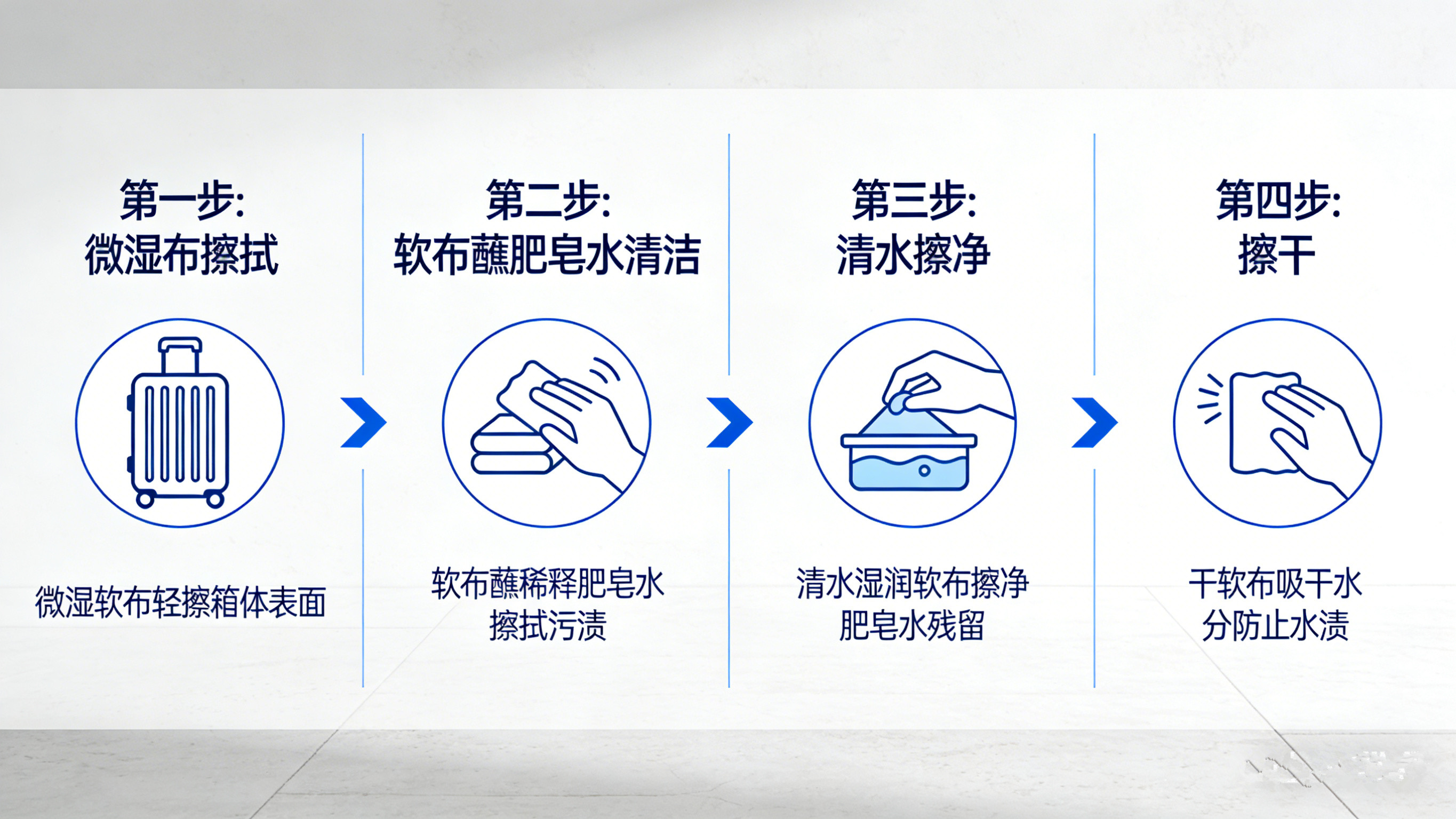
- Wipe down the exterior with a soft, damp cloth (microfiber is ideal) using lukewarm water. Avoid harsh chemicals or abrasive sponges.
- For tougher grime, mix a mild soap (like dish soap) or a dedicated plastic cleaner with water. Apply with the damp cloth, then wipe thoroughly with a clean, water-dampened cloth to remove soap residue. Dry immediately with a soft towel.
- Important:Never submerge hard-shell luggage in water. Avoid solvents, bleach, or ammonia-based cleaners, as they can damage the plastic.
- Removing Scratches (Surface Level):
- Minor Scratches:Apply a small amount of plastic polish or a specialized scratch remover designed for luggage or automotive plastics. Buff gently in a circular motion with a soft cloth. Always test on a small, inconspicuous area first.
- Deeper Scratches:These are often permanent. While specialized fillers exist, prevention is key. Consider using protective films or covers.
- Interior Cleaning:
- Vacuum out dust, crumbs, and debris.
- Spot-clean fabric linings with a damp cloth and mild soap solution. Blot stains gently; avoid rubbing. Allow to air dry completely.
For Soft-Sided Suitcases (Nylon & Polyester)
- Basic Cleaning:
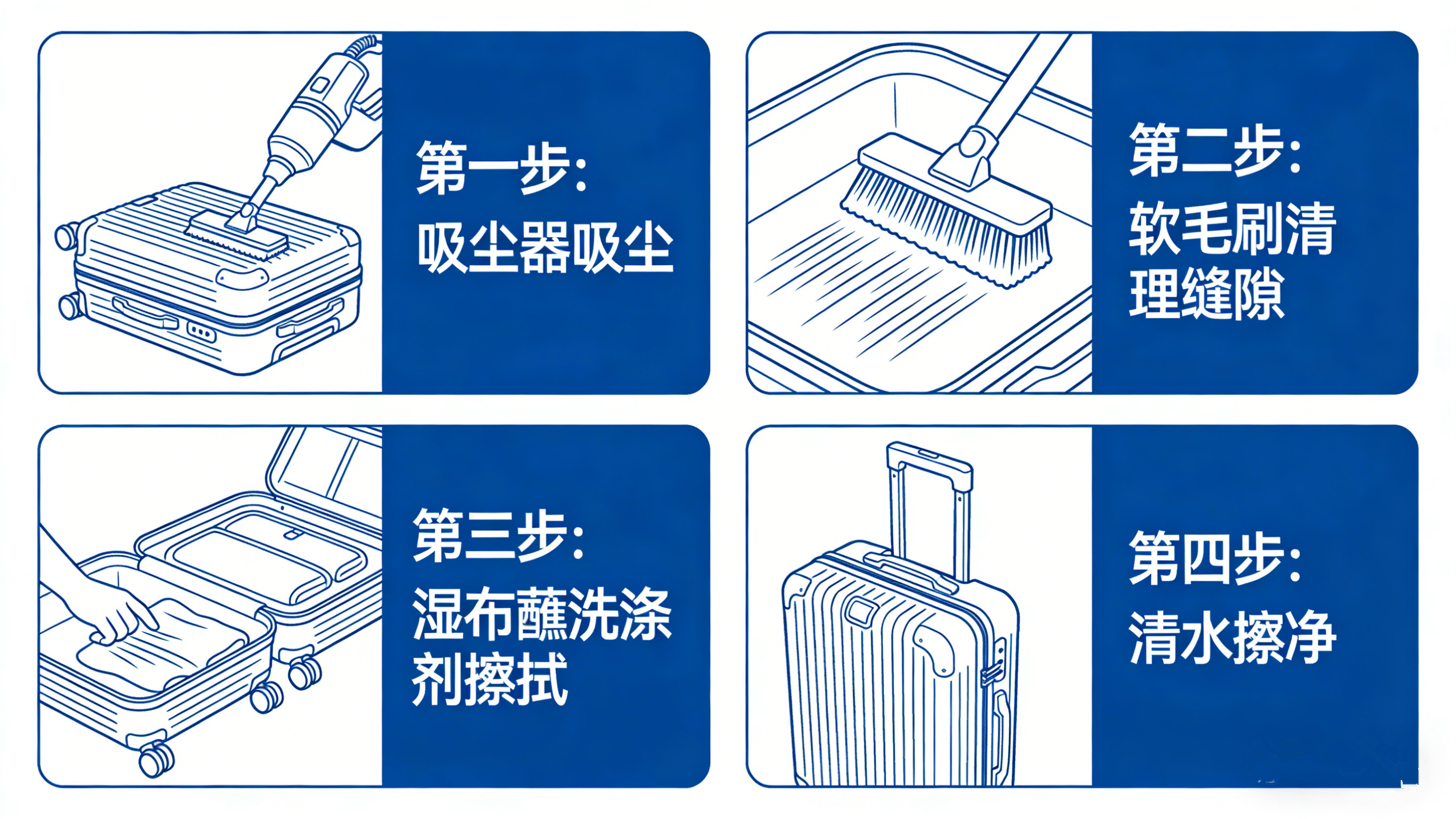
- Start by vacuuming the exterior and interior to remove loose dirt.
- Use a soft-bristled brush (a clean shoe brush or soft toothbrush works well) to gently loosen ingrained dirt from fabric surfaces and seams.
- Prepare a solution of lukewarm water and a mild detergent (e.g., Woolite or a gentle laundry soap). Avoid bleach.
- Dip a soft cloth or sponge into the solution, wring it out well so it's only damp, not soaking wet. Gently wipe down the fabric surface.
- Rinse the cloth/sponge with clean water, wring thoroughly, and wipe the suitcase again to remove soap residue. Repeat rinsing until no soap remains.
- Important:Never machine wash soft-sided luggage unless the manufacturer explicitly states it's safe. Never tumble dry.
- Stain Removal:
- Address stains promptly. Blot (don't rub) liquid spills immediately.
- For specific stains, consult the luggage manufacturer's care instructions. Test any stain remover on a hidden area first.
- Avoid harsh stain removers that could damage fabric coatings or dyes.
- Interior Cleaning:
- Vacuum thoroughly.
- Spot-clean linings and pockets with a damp cloth and mild soap solution. Ensure thorough rinsing and complete drying.
Essential Maintenance for All Suitcases
- Wheel Care:
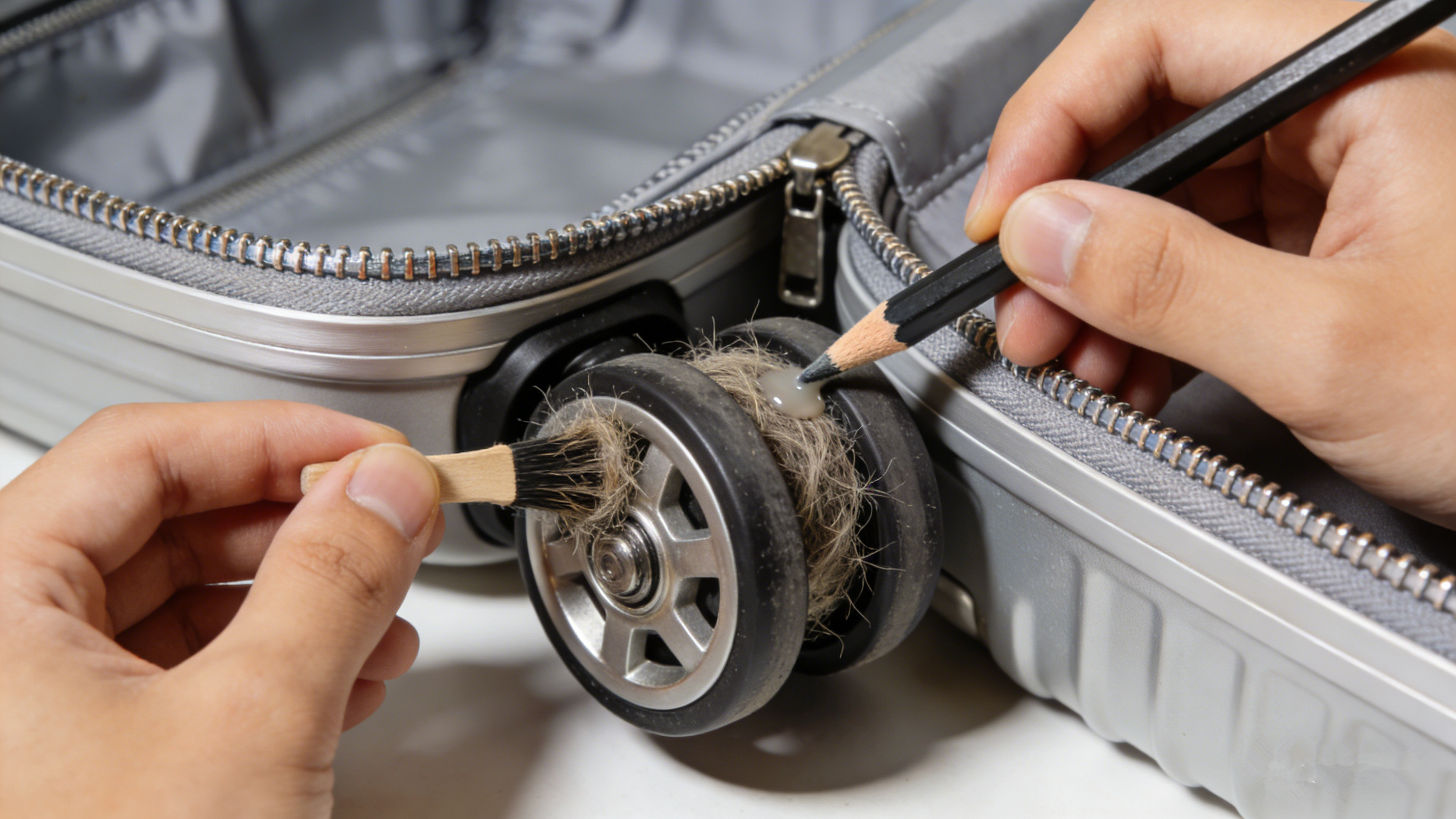
- Cleaning:Dirt, hair, and debris lodged in wheels are a common cause of malfunction. Turn the suitcase upside down or on its side. Use a small tool (like tweezers or a toothpick) to carefully remove hair and threads wrapped around the axles. Wipe the wheels and housing with a damp cloth. For stubborn grime, use an old toothbrush dipped in soapy water, then rinse and dry thoroughly.
- Lubrication (if applicable):If wheels squeak or feel stiff after cleaning, check if they have visible axles. Apply a tiny amount of silicone-based lubricant (never oil-based, which attracts dirt) to the axle points. Wipe away any excess.
- Zipper Maintenance:
- Keep zippers free of dirt and debris by brushing them with a soft brush.
- If a zipper becomes stiff, rub a zipper lubricant, beeswax, or a graphite pencil lightly along the teeth. Avoid petroleum jelly, which can degrade fabric over time.
- Close zippers fully before storing to prevent warping.
- Handle Care:
- Wipe down telescopic handles with a damp cloth. Extend and retract them a few times to dislodge any grit.
- Avoid hanging heavy items on the handle when not in use, as this can stress the mechanism.
- Protective Measures:
- Luggage Covers:Consider using a reusable luggage cover during transit to minimize scratches, scuffs, and dirt accumulation on hard-shell cases.
- Packing Cubes/Organizers:These protect the interior lining from spills and make unpacking/cleaning easier.
Proper Storage: Maximizing Longevity Between Trips
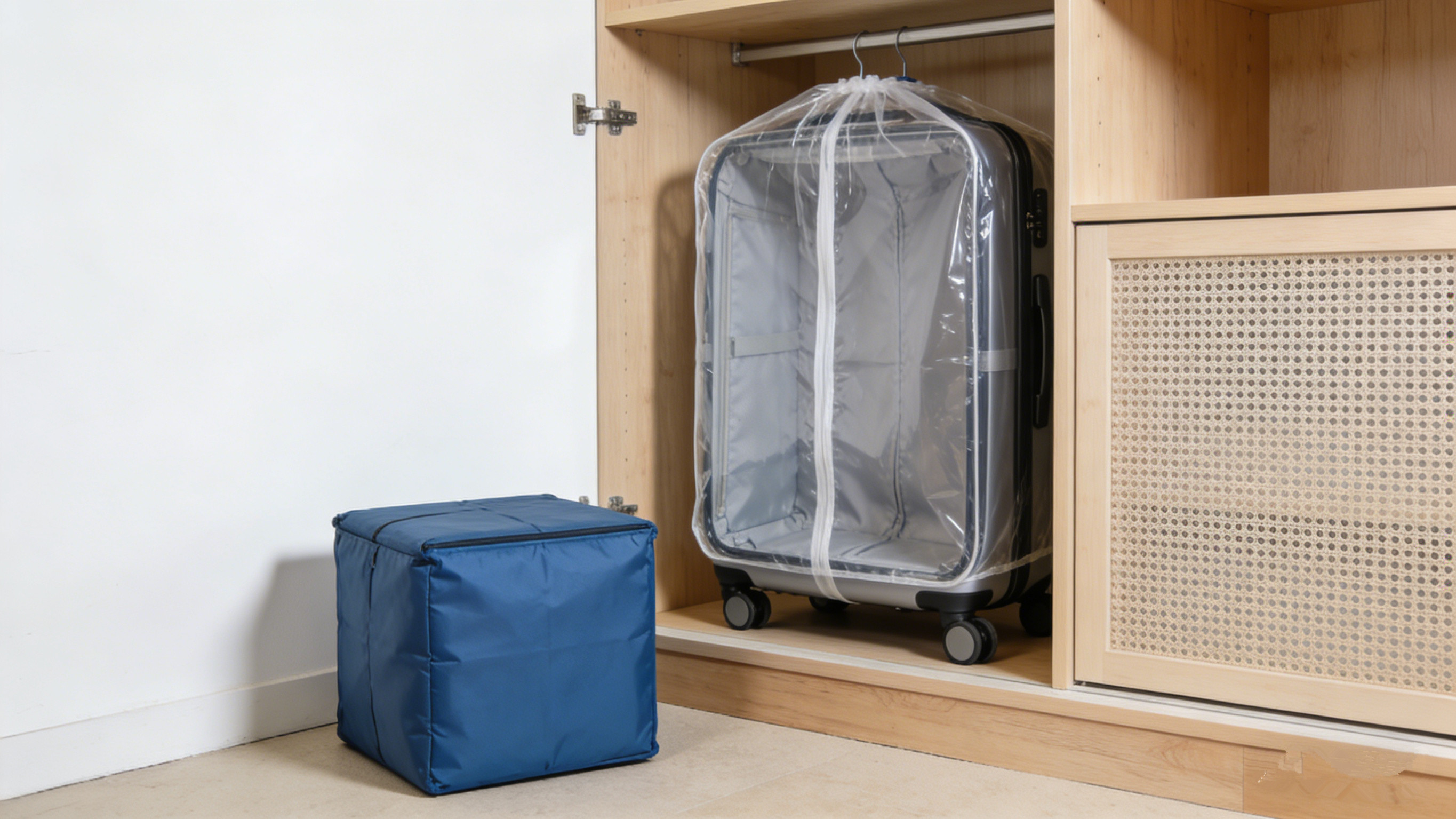
- Clean Thoroughly:Always clean your suitcase inside and out before storing it.
- Dry Completely:Ensure the suitcase is 100% dry to prevent mold or mildew growth, especially important for soft-sided luggage interiors.
- Avoid Compression:Store the suitcase empty. Do not stack heavy items on top of it, as this can deform the shape and stress the structure.
- Protect from Elements:Store in a cool from direct sunlight, which can cause fading and material degradation over time. Avoid damp basements or hot attics.
- Use a Dust Bag:If available, store the suitcase in its provided dust bag or a breathable cotton pillowcase to protect it from dust and scratches.
Case Study: Reviving a Scuffed Polycarbonate Case
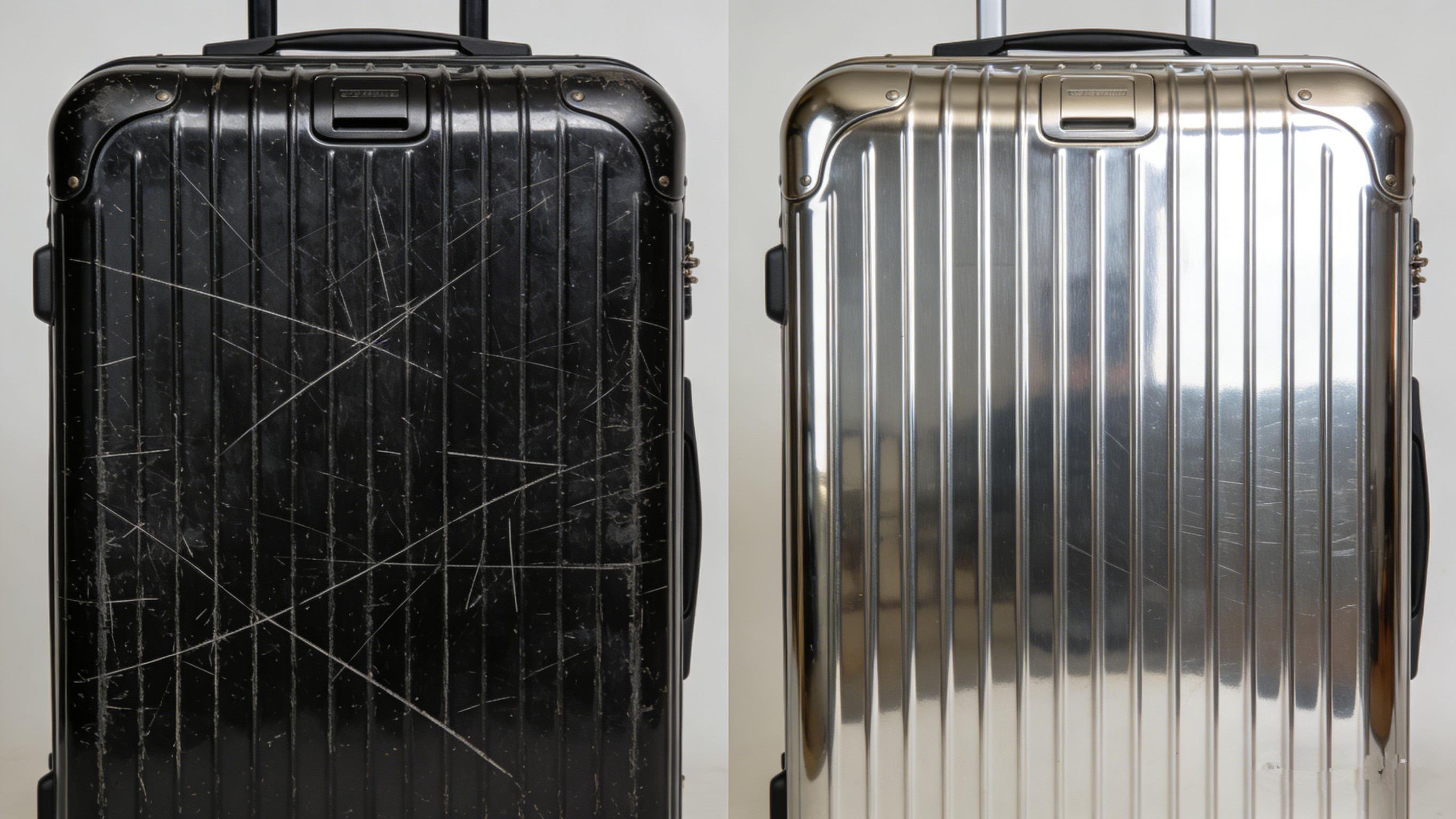
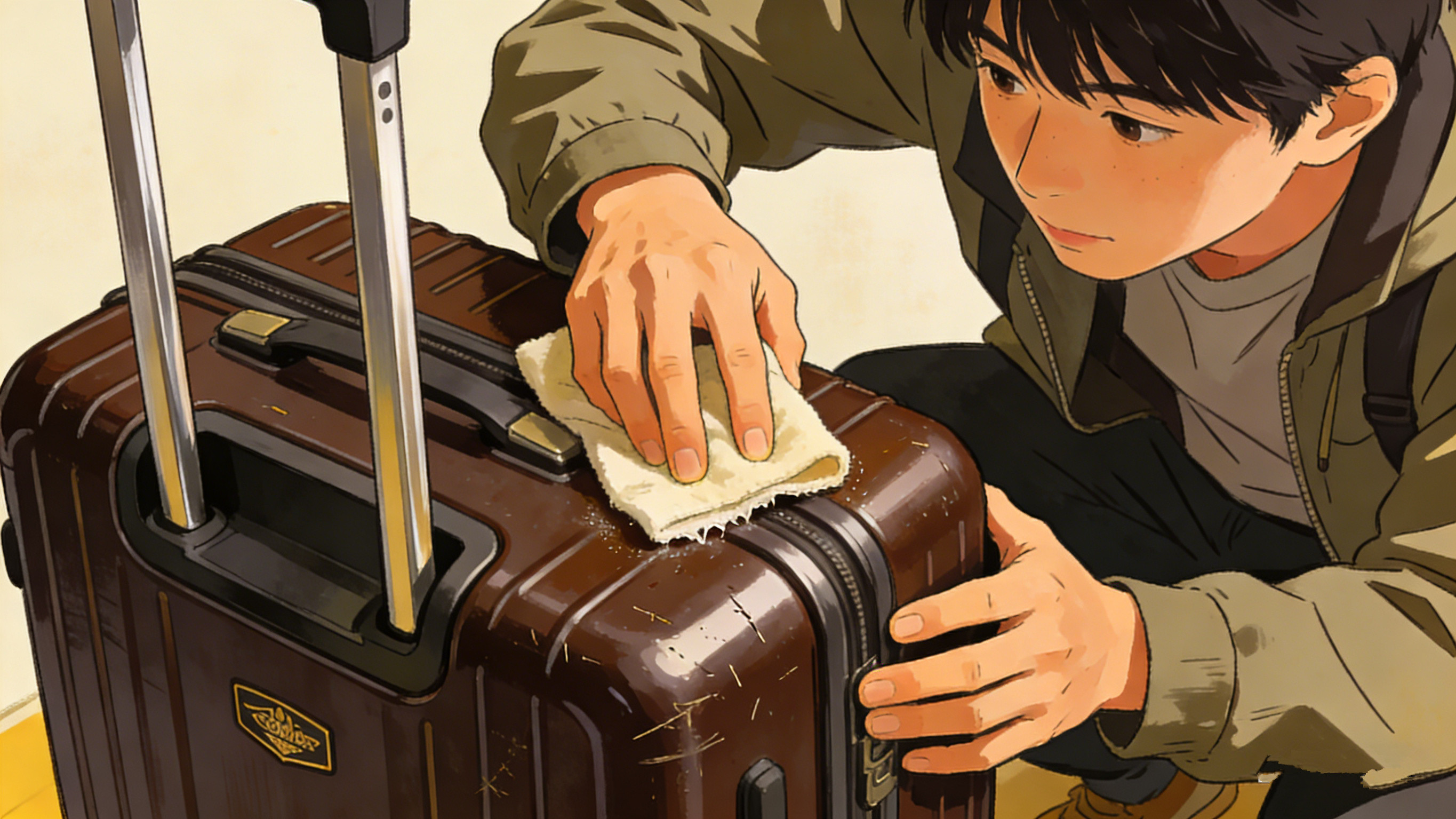
Sarah returned from a trip to find her favorite polycarbonate suitcase covered in scuff marks from airport conveyors. Following the steps above:
- She wiped the case down with a damp microfiber cloth.
- Using a plastic polish specifically recommended for luggage, she applied a small amount to a soft cloth.
- She gently buffed the scuffed areas in small circles, applying light pressure.
- After polishing a section, she wiped it clean with a different part of the cloth. The result was a significant reduction in the appearance of the scuffs, restoring the suitcase's sleek look without the need for replacement.
Conclusion: An Investment in Your Travels
Your suitcase is an investment that facilitates your adventures. By dedicating a small amount of time to its proper cleaning and maintenance, you directly contribute to its durability, functionality, and appearance. Understanding the specific needs of your luggage's material—whether it's the polished surface of polycarbonate or the resilientempowers you to provide the best care. Implement these practical techniques, from tackling wheel grime to ensuring correct storage, and enjoy the benefits of a reliable travel companion that lasts for countless journeys to come. Consistent care is the simplest way to maximize the value and lifespan of your luggage.


